KWDT's programmes are built around the realities of rural fisher communities. Each thematic area is designed to address the root causes of poverty and inequality — with health, gender, youth and disability mainstreamed across all of them.
Five Pillars of Impact
Each programme area targets a specific barrier that holds women back — together they create lasting, generational change.
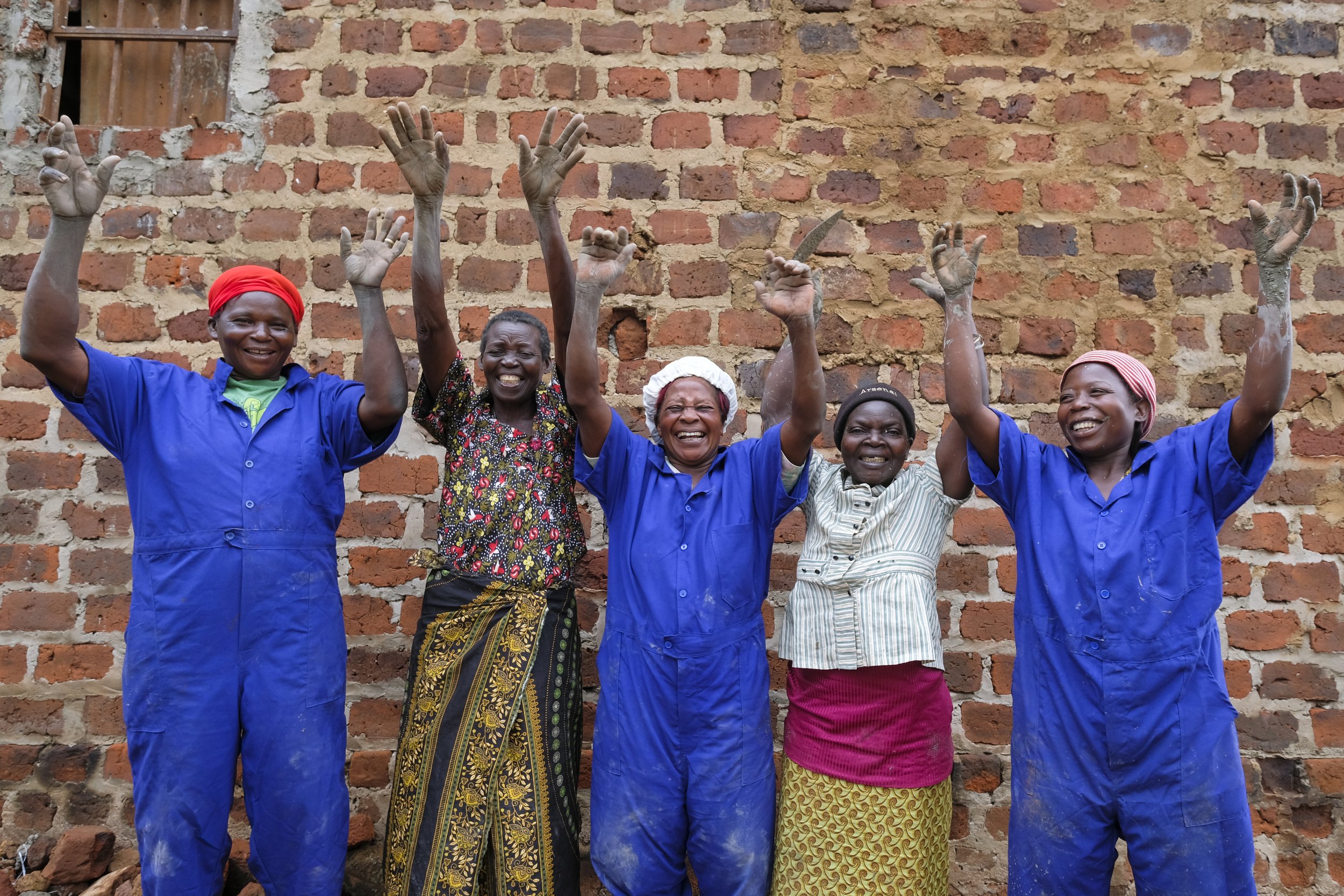
Economic Empowerment
The program engages women in integrated sustainable agriculture, fishing, fish processing and fish trade. Access to micro credit supports start-up of diverse and complementary activities to reduce women's vulnerability and promote savings culture. The entrepreneurial programs have contributed to improved food security, rural economic development as well as enhancing women's contribution to community development.
See related projects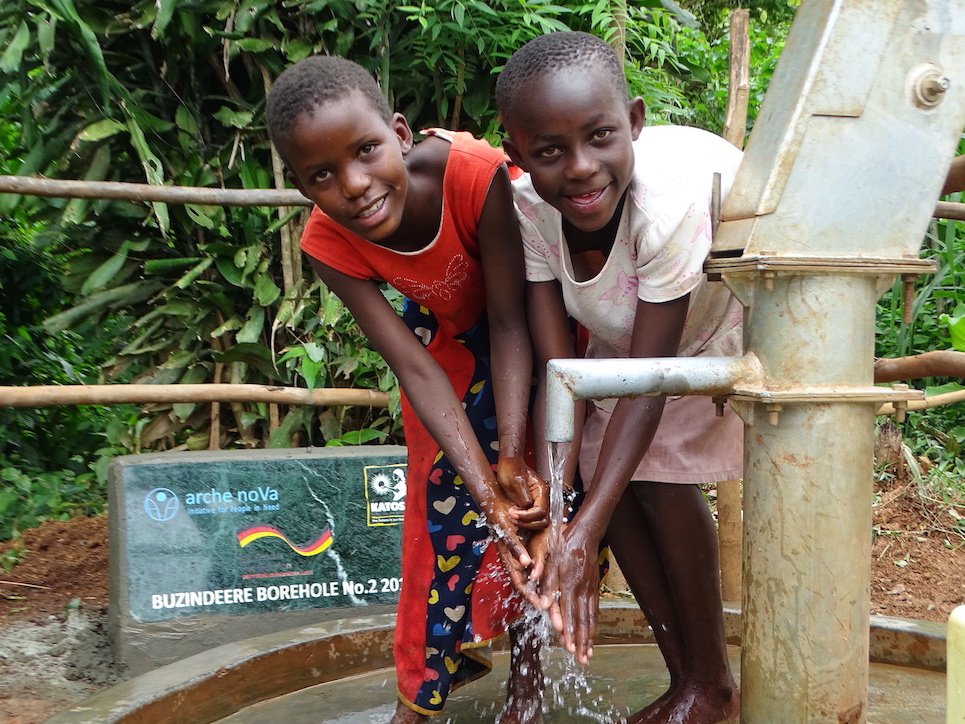
Water, Sanitation & Hygiene (WASH)
This program promotes access to clean water, adequate sanitation and hygiene to improve health at family and community levels as well as reducing household expenditure on health-related illnesses. This is achieved through construction of clean safe water sources at households, communities (rain water harvesting tanks, shallow, deep and bore wells), schools, communal places and health centres (latrines and ecosan toilet). These are complemented by trainings on hygiene promotion and construction of hygiene facilities such as hand washing facilities, dish drying racks, waste bins. Women are trained in construction and management of WASH facilities led by various women group committees. The program has a component of awareness on HIV/AIDS, malaria, reproductive and maternal health and advocacy to obtain improved services by the government.
See related projects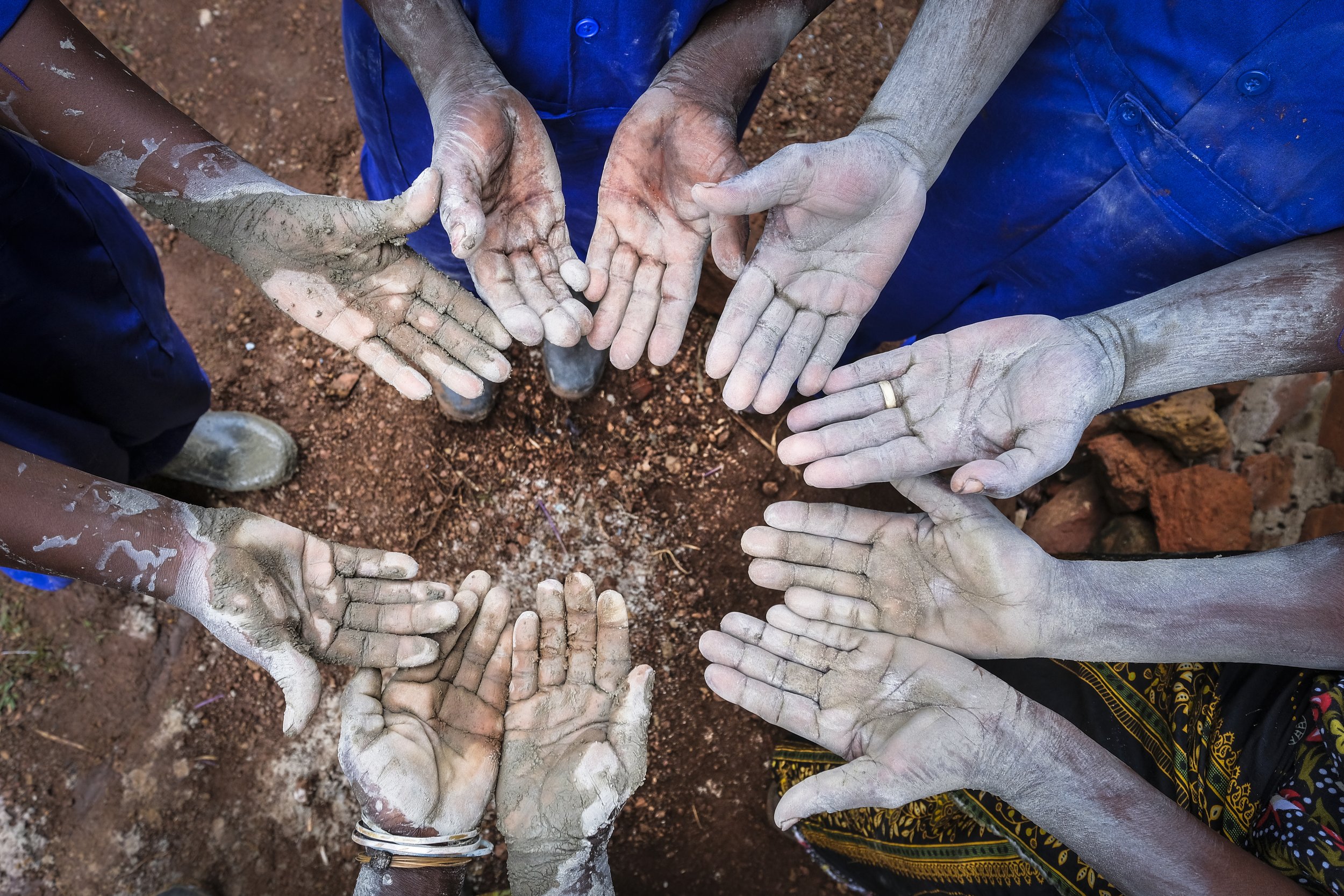
Support Formal and Non-Formal Education
The program aims to support the education of children in fishing villages through improvement of primary schools' infrastructure. The program offers vocational skills trainings for youths and women; awareness on human rights including land rights, women rights, mentoring women in civil and political leadership, as well as advocacy and lobbying; supporting drama and theatrical productions for awareness creation on various social issues and conducting community dialogues.
See related projects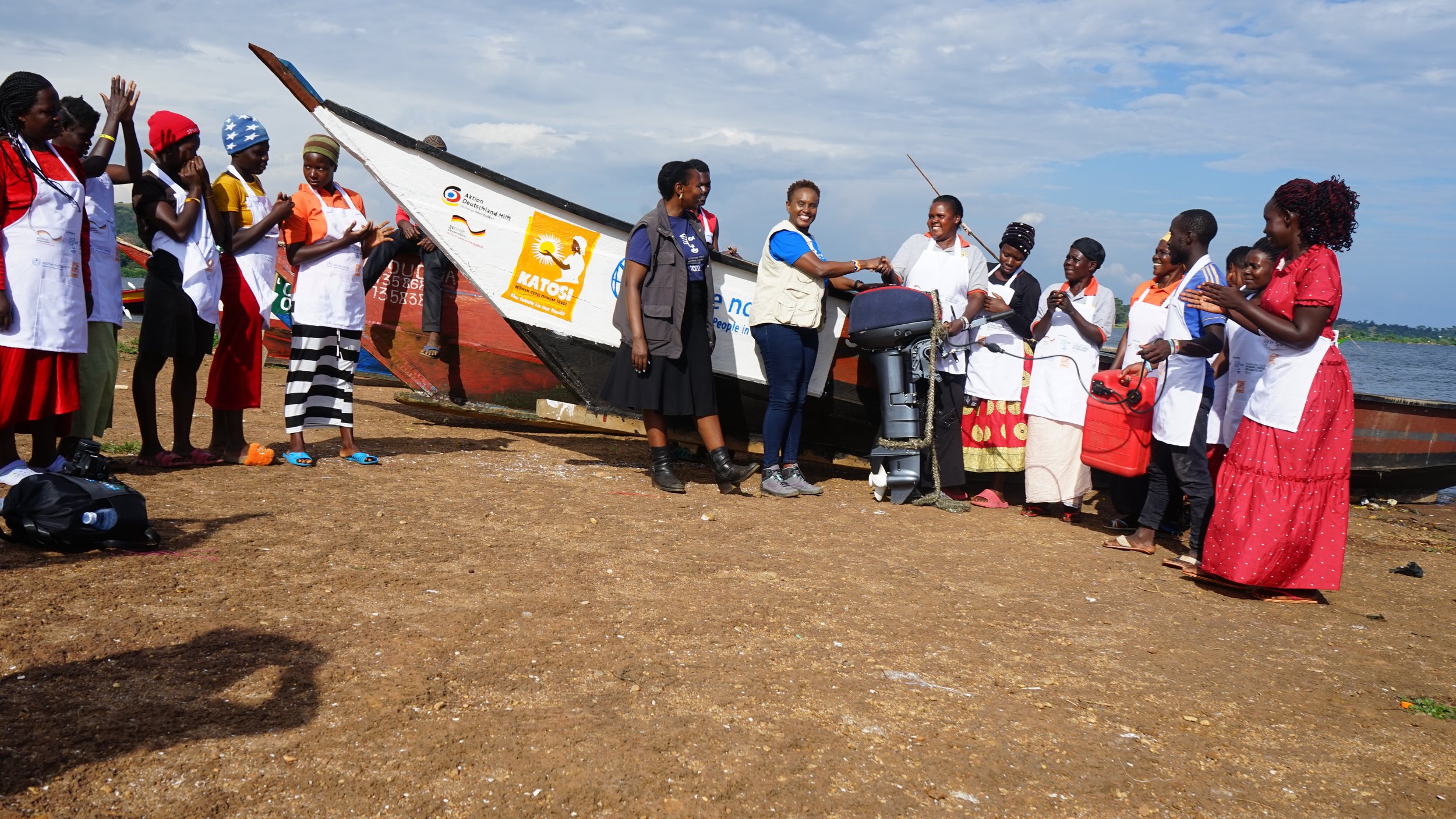
Environment Conservation
This program cross cuts through all thematic areas to support sustainable agriculture practices, soil, seed and water conservation and generation and use of renewable energy.
See related projects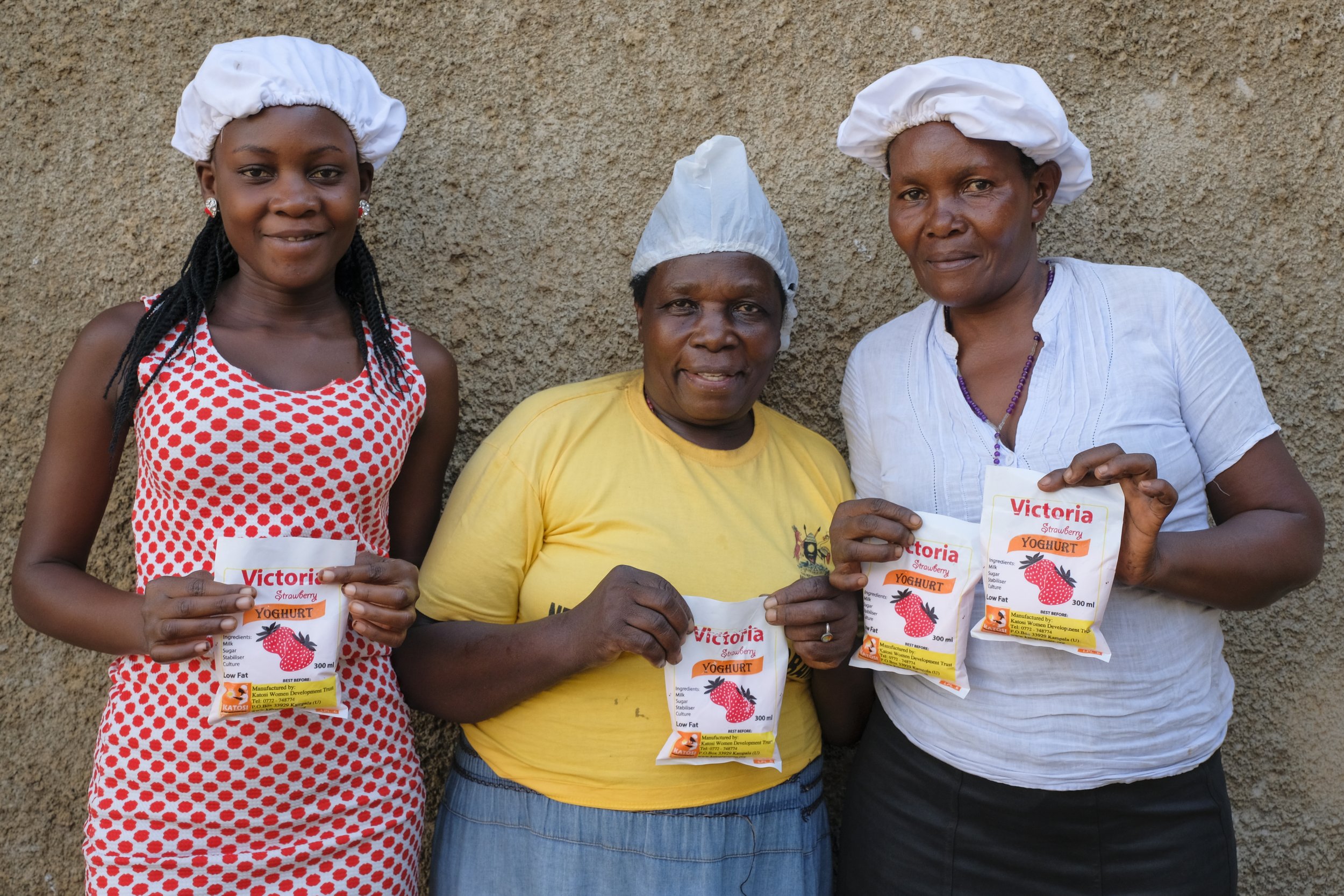
HIV, Gender, Disability and Health
To ensure that KWDT's interventions don't reinforce negative effects of vulnerability and discrimination in planning, designing and implementation of programs, HIV, Health, Gender, Disability & Youth are mainstreamed across all programs.
See related projectsOur Approach
Community-Led
Every intervention is co-designed with the communities we serve. Women are not beneficiaries — they are agents of change.
Rights-Based
We ground our work in human rights frameworks, ensuring women know and can claim their legal and social entitlements.
Evidence-Driven
Monitoring, evaluation and learning are built into every programme so we can adapt and improve continuously.
Collaborative
We work alongside government, NGOs, and international partners to amplify impact and avoid duplication.
See Our Programmes in Action
Browse the projects currently running across Mukono, Kalangala and Buvuma districts.